

Butane Gas Cylinder Guide (India 2026): Sizes, How Long One Lasts, Safety & Storage
Quick answer: The standard butane gas cylinder for portable stoves in India is a 220–230g cartridge, roughly the size of a tall deodorant can. One cartridge gives about 1.5 to 2 hours of burn time on a medium flame — around 4 to 6 simple meals. Store cartridges upright, below 40°C, away from sunlight, and never in a parked car. Plan on one cartridge per person per weekend, and always carry a spare.
What is a butane gas cylinder?
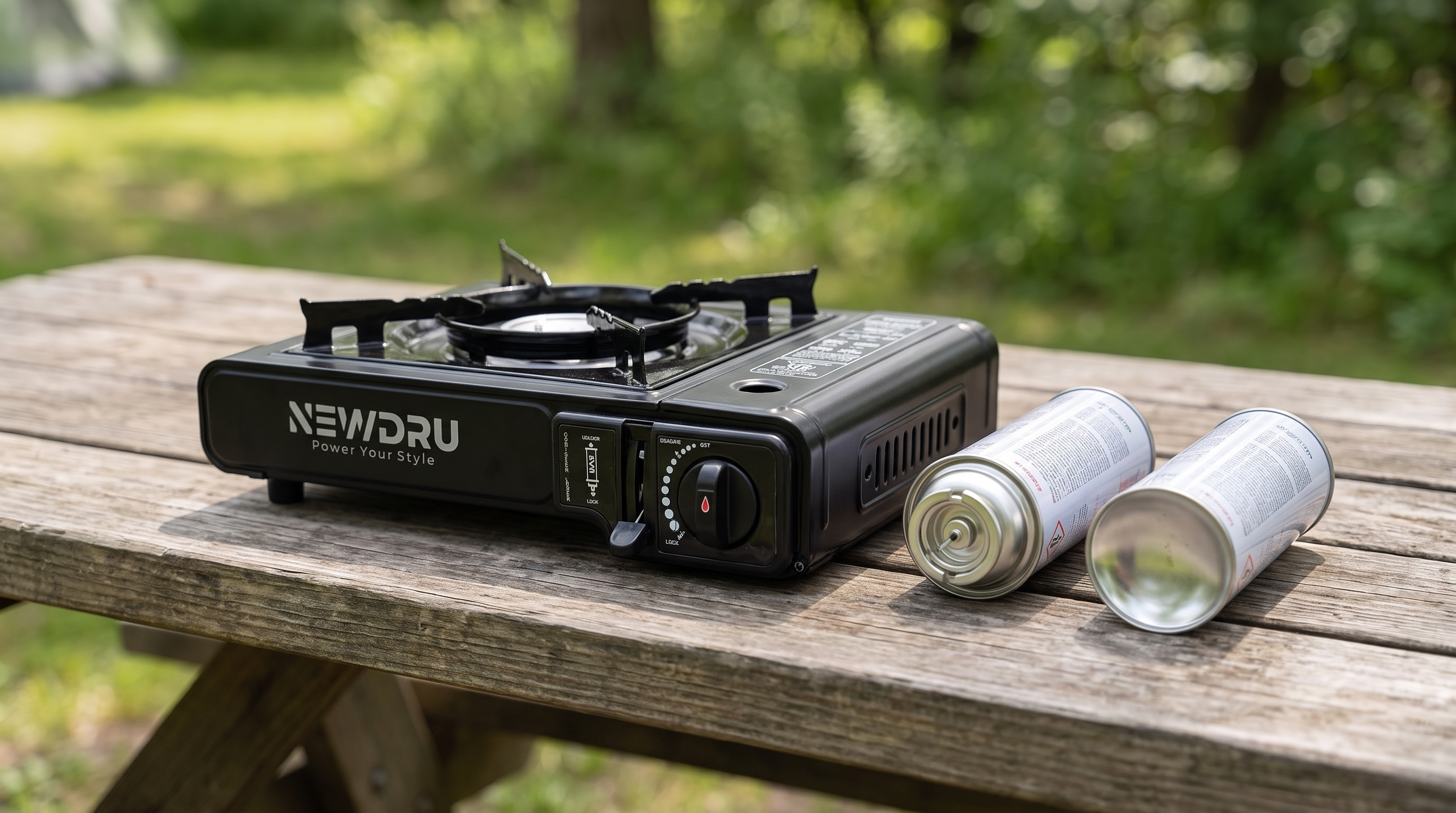
A butane gas cylinder — also called a butane cartridge, gas canister or fuel can — is a sealed steel container of liquefied butane that clips into a portable gas stove. It is not refillable and not the same as an LPG cylinder. The notch-and-lever design used by almost every portable stove sold in India is a global standard, which means cartridges are broadly interchangeable between brands.
What sizes do butane cartridges come in?
| Size | Approx. burn time (medium flame) | Typical use |
|---|---|---|
| 220–230g (standard) | 1.5–2 hours | The default for portable stoves — buy this one |
| 100g screw-type | 40–50 minutes | Backpacking burners, not slot-in stoves |
| 450g screw-type | 3–4 hours | Expedition burners, not slot-in stoves |
Important: slot-in (notched, side-loading) cartridges and screw-on (threaded) canisters are not interchangeable. Almost every portable tabletop gas stove in India — including the models in our portable and camping stove range — uses the 220–230g slot-in type. Check your stove before buying fuel.
How long does one butane cylinder actually last?
The honest answer is that manufacturer figures assume a windless lab. In real Indian conditions, plan for:
| Task | Roughly how much of a cartridge |
|---|---|
| Two cups of chai | About 5% |
| A pack of maggi | About 5–7% |
| Rice for two | About 15% |
| Dal from scratch | About 25–30% |
| A full meal for four | Most of one cartridge |
Three things burn your fuel faster than anything else:
- Wind. An exposed flame in a breeze can double consumption. A foil windshield costs almost nothing and is the single best fuel saver.
- Full flame out of habit. Most cooking simmers fine at half. Turning the dial down can stretch a cartridge by a third.
- Cold. Below roughly 5°C the cartridge loses pressure, the flame weakens and everything takes longer — so you burn more gas to do the same job.
Key takeaways
- Standard size for portable stoves is 220–230g slot-in. Screw-on canisters will not fit.
- Budget one cartridge per person per weekend, plus a spare.
- Store upright, below 40°C, out of direct sun. Never leave one in a parked car.
- Butane cartridges are banned on aircraft and restricted on trains. Buy fuel at your destination.
- Never puncture, burn or bin a cartridge that still has gas in it.
How do you store butane cylinders safely?
- Keep them below 40°C. A closed car in an Indian summer easily passes 60°C. That is the most common cause of cartridge failure in the country, and it is entirely avoidable.
- Store upright in a dry, ventilated cupboard. Not in a sealed plastic box, not next to the gas hob, not in a damp corner where the steel can corrode.
- Keep them away from the stove while it's running. Radiated heat from the burner is enough to warm a spare cartridge sitting alongside it.
- Check the rim before each use. A dented or rusted rim will not seal properly against the stove's gasket. Dispose of it rather than risk a leak.
- Don't stockpile indoors in bulk. Four to six cartridges is a sensible home backup supply. A crate of them in a bedroom cupboard is not.
How do you tell when a butane cartridge is empty?
Three reliable checks, in order of usefulness:
- Weight. The most accurate method. A full 230g cartridge weighs roughly 350–380g including the steel can; empty it is around 130–150g. Note the empty weight of your brand once and you can judge any cartridge by feel afterwards.
- The shake test. Liquid sloshing means fuel remains. No sound usually means empty — though a nearly-empty can may be silent while still holding usable gas.
- Flame behaviour. A flame that starts strong and fades within a minute, or burns low and orange rather than blue, usually signals a cartridge near the end.
A cartridge that seems empty in the cold may not be. Warm it in your hands for a minute and try again before writing it off — there is often 10–15% left that cold pressure was hiding.
How do you dispose of empty butane cartridges?
Never throw a butane cartridge into household waste while it still contains gas, and never burn or puncture one casually — residual pressure makes both genuinely dangerous.
The correct sequence is: run the cartridge completely empty on the stove until the flame dies on full, let it cool, then hand it to a scrap metal recycler. The steel is recyclable. Many municipal recycling points in Indian metros accept them alongside aerosol cans. If you are unsure, a local kabadiwala who deals in metal will take them.
Butane cartridge vs LPG cylinder: which is cheaper?
LPG is meaningfully cheaper per meal — that is not close. A domestic LPG cylinder cooks for weeks; a butane cartridge cooks for a weekend. What butane buys you is portability, instant setup and no hose, which is exactly what you want on a trek and exactly what you don't need at home.
This is the argument for a dual-fuel stove: run LPG at home where cost matters, and butane on the road where weight matters. Our mini gas stove guide compares all three fuel options in detail.
Frequently asked questions
What size butane cylinder fits a portable gas stove?
The standard 220–230g slot-in cartridge. Screw-on 100g and 450g canisters are for threaded backpacking burners and will not fit a tabletop portable stove.
Can I refill a butane cartridge?
No. Slot-in butane cartridges are single-use and are not designed to be refilled. Refilling them is unsafe and defeats the pressure-relief design.
Can I carry butane cylinders on a flight or train in India?
Not on aircraft — gas cartridges are prohibited in both cabin and checked baggage. They are also restricted on trains. Carry the stove, buy fuel at your destination.
How many butane cartridges should I take camping?
One per person per weekend as a baseline, plus one spare. Cold weather, wind and cooking for a group all push this up, so round generously.
Do butane cartridges expire?
The gas itself doesn't degrade, but the steel can and its seal do. Most manufacturers print a date and suggest use within 5–7 years. Inspect older cartridges for rust or dents before using them.
Stoves & butane bundles
Shop portable stoves with butane cartridge bundles — buy the stove and your fuel together so you're not hunting for cartridges before a trip.
Prefer to rent gadgets instead of buying?
Explore daily, weekly and monthly rentals at NEWDRU Rentals — try it before you commit.
The bottom line
Butane cartridges are simple, but the three mistakes people make are consistent: buying the wrong fitting, underestimating how fast wind burns fuel, and leaving cans in a hot car. Get the 220–230g slot-in size, carry one more than you think you need, shield the flame, and store them somewhere cool. Do that and fuel becomes the part of the trip you never think about.
Planning a trip? Run through the complete India camping checklist and browse camping essentials.